


NewsGate Press Network
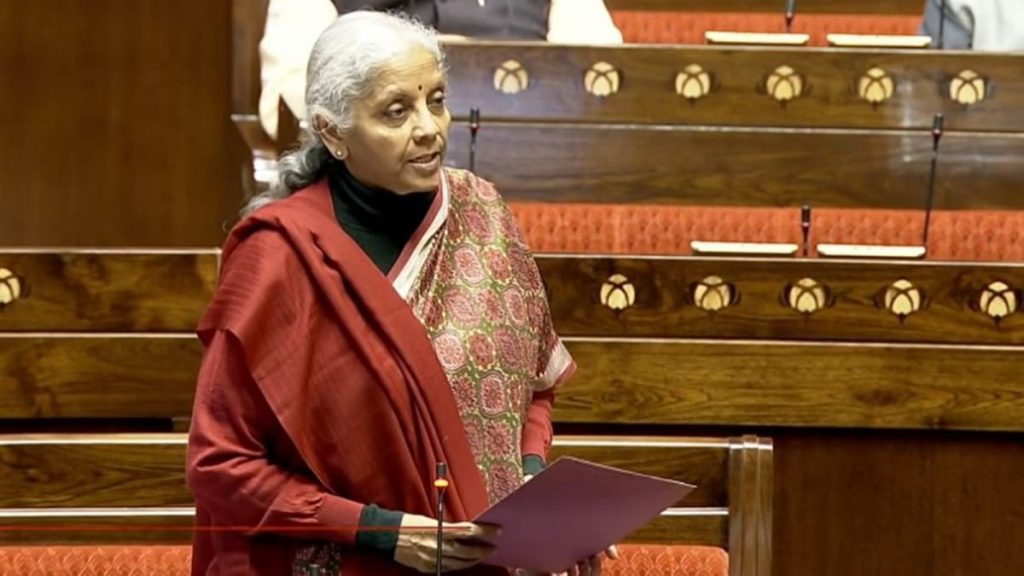
India’s economy is estimated to grow by 7.4 per cent in the fiscal year 2025-26, propelled by robust consumption and investment activity, according to the Economic Survey 2025-26 tabled by Finance Minister Nirmala Sitharaman in Parliament on Thursday the 29th of January 2026.
This growth forecast underscores India’s position as the fastest-growing major economy for the fourth consecutive year.
The Survey projects real GDP growth for FY27 at 6.8 to 7.2 percent, with India’s potential growth rate estimated at around 7 percent. The dominant drivers of this growth are private final consumption expenditure, which has risen to 61.5 percent of GDP in FY26, and gross fixed capital formation, representing 30 percent of GDP. Consumption strength is supported by low inflation, stable employment, rising purchasing power, and steady rural and improving urban demand.
Agriculture and allied sectors are expected to grow by 3.1 percent in FY26, supported by favorable monsoon conditions and stable expansion in livestock and fisheries.
The industrial sector is showing signs of strength, with manufacturing growing 8.4 per cent in the first half of FY26 and an anticipated 6.2 percent growth for the full year, buoyed by infrastructure projects and rationalized GST rates.
The services sector remains the main growth engine, with a 9.3 per cent increase in gross value added in the first half of FY26, reflecting broad-based expansion across sub-sectors.
Fiscal discipline and monetary easing have reinforced growth momentum. Gross non-performing asset ratios have declined to a multi-decade low of 2.2 percent, and lending rates have eased, supporting credit growth. The government’s prudent fiscal management, alongside reforms such as GST rationalisation and labour code implementation, has underpinned domestic demand and investment.
India’s external sector remains resilient despite global trade uncertainties. Total exports reached a record $825.3 billion in FY25, with ongoing momentum into FY26. The recent free trade agreement with the European Union, along with trade deals with the UK, Oman, and New Zealand, positions India well for export growth amid geopolitical and economic challenges.
While global risks persist, including geopolitical tensions and trade disruptions, India’s domestic economy is on a stable footing, supported by healthy balance sheets, moderated inflation, and sustained public investment. The Economic Survey concludes with an outlook of steady growth amid external uncertainties, emphasizing cautious optimism for the coming year.
Comments are closed for this post.