


NewsGate Press Network
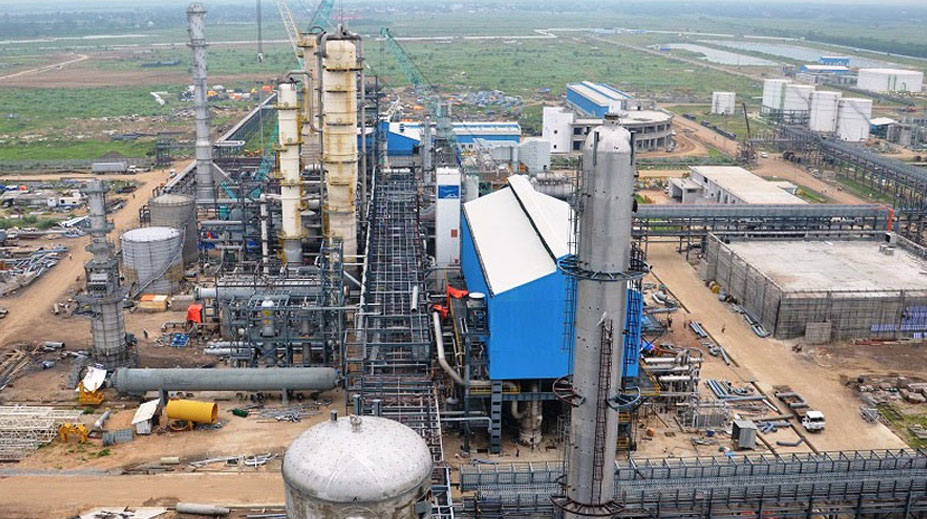
Directions have been issued by the Central Government to increase gas supply to fertilizer plants from Monday next that is from 6th of April 2026 to about 90 per cent of their average consumption over the past six months.
This is to ensure that stability is maintained across key sectors amid the evolving situation in West Asia.
In a comprehensive update, the government said it continues to take coordinated measures to ensure uninterrupted energy supplies, smooth maritime operations, and the safety of Indian nationals in the region, even as geopolitical tensions impact global energy flows, including the closure of the Strait of Hormuz.
According to senior officials from the Central Government the supply of natural gas to urea plants is currently steady at 70-75 per cent of their six-month average consumption.
In the coming days this will be enhanced to around 90 per cent beginning from 6th of April supported by existing inventories and scheduled LNG cargo arrivals.
Supply to other industrial and commercial consumers, including those connected through city gas distribution (CGD) networks, will also be increased by an additional 10 per cent from the same date.
Priority continues to be accorded to domestic PNG and CNG transport segments, which are receiving 100 per cent supply.
The Ministry of Petroleum and Natural Gas said adequate stocks of petrol, diesel, and LPG are available across the country, with all retail outlets functioning normally.
Citizens have been advised to avoid panic buying of fuels and unnecessary LPG bookings, and to rely only on official sources for information. The government has also urged consumers to conserve energy and use alternative cooking fuels such as PNG and electric appliances wherever feasible.
While LPG supplies have been affected due to the geopolitical situation, there have been no reports of stock-outs at distributorships.
Around 51 lakh domestic LPG cylinders were delivered on a single day, with online bookings rising to 95 per cent. Measures such as Delivery Authentication Code (DAC) have been expanded significantly to curb diversion.
The Central Government has prioritised domestic LPG and essential services, while commercial LPG allocation has been capped at 70 per cent of pre-crisis levels. Over 5.7 lakh 5-kg free trade LPG cylinders have been sold since March 23 to ease demand pressures.
Apart from all the above mentioned measures being taken various departments have intensified enforcement to prevent hoarding and black marketing. More than 3,700 raids were conducted in a single day, while public sector oil companies have issued around 1,000 show-cause notices and suspended 27 LPG distributorships so far.
States and union Territories have been directed to carry out daily press briefings, set up control rooms, and counter misinformation actively.
The government is accelerating the expansion of PNG infrastructure to reduce dependence on LPG. Over 3.5 lakh new PNG connections have been activated since March, with an additional 3.8 lakh registrations underway.
CGD companies have been instructed to prioritise connections for commercial establishments such as hotels and restaurants, while states have been asked to expedite approvals for pipeline infrastructure.
Additional kerosene allocations and increased coal supplies have also been arranged to ease pressure on LPG demand.
Officials said all refineries are operating at high capacity with sufficient crude inventories. Domestic LPG production has been ramped up to support consumption.
To shield consumers from global price volatility, the government has reduced excise duty on petrol and diesel by Rs 10 per litre and imposed export levies on diesel and aviation turbine fuel to ensure domestic availability. Retail prices of petrol and diesel remain unchanged.
The Ministry of Ports, Shipping and Waterways said Indian vessels and seafarers in the region remain safe, with no incidents reported in the past 24 hours.
Seventeen Indian-flagged vessels with 460 seafarers are currently in the western Persian Gulf, while over 1,300 seafarers have been repatriated so far. Port operations across India continue without disruption.
The Ministry of External Affairs said Indian missions across West Asia remain in close contact with the Indian community, providing assistance and facilitating travel amid airspace restrictions.
Since February 28, around 6.75 lakh passengers have travelled from the region to India. Special arrangements are being made through alternative routes where direct flights are not operational.
Comments are closed for this post.