


NewsGate Press Network
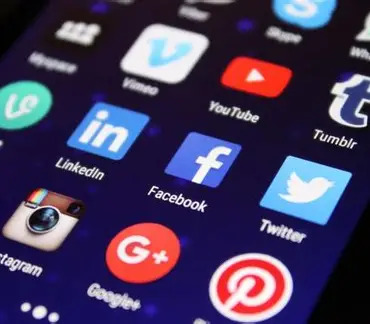
The Indian Army has announced relaxation of its hitherto strict social media guidelines for its personnel by allowing ‘passive participation’ in many popular apps.
The welcome change came-in via an administrative order issued by the Directorate General of Military Intelligence (DGMI) and announced in a social media post by many news agencies.
The relaxed and change policy now says that army personnel can now access Instagram app only for viewing/monitoring purposes only without posting any content.
Apart from Instagram platforms like ‘X’ (formerly Twitter), YouTube, and Quora can be used for passive consumption for knowledge.
Restrictions for active engagement continues that includes uploading user-generated content, remains strictly prohibited across these sites.
Communication apps such as Skype, Telegram, WhatsApp, and Signal receive qualified approval for exchanging unclassified, general information with known contacts only. Users bear sole responsibility for verifying recipients to prevent inadvertent leaks.
The only exception for uploading is being allowed for LinkedIn app.
The new guidelines reiterates for Army personnel to be vigilant against risky online practices, advising avoidance of generic websites, pirated software portals, free movie sites, torrents, VPNs, web proxies, chat rooms, and file-sharing platforms. Cloud storage services demand extreme caution to avert security breaches.
It may be recalled that in July 2020 Ministry of Defence (MoD) had asked personnel from services to delete Facebook and Instagram accounts, alongside 89 apps—59 linked to China and banned by the government. Non-compliance then risked strict action, reflecting acute threat perceptions.
Key Highlights of the Revised Policy
- Instagram, X (formerly Twitter), YouTube, and Quora: Permitted only for passive viewing to gain knowledge, stay informed about national and global developments, or identify misinformation. Any form of active engagement, including “liking” a post (considered user-generated content), is prohibited.
- Messaging Apps (WhatsApp, Telegram, Signal, Skype): Allowed for exchanging unclassified, general information—but strictly with known contacts. Users bear full responsibility for verifying recipients to avoid security risks.
- LinkedIn: Restricted to professional use, such as uploading résumés or seeking employment-related information.
- Facebook: Remains completely banned for all personnel.
The policy also advises extreme caution with cloud storage services and warns against using generic websites, pirated software portals, torrents, VPNs, or anonymized platforms.
Comments are closed for this post.