


NewsGate Press Netrwork
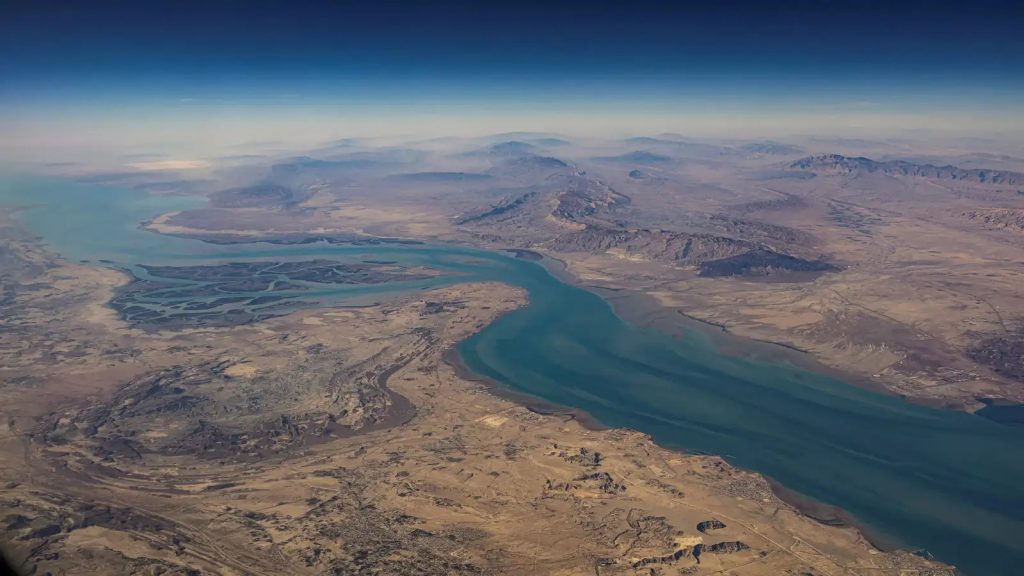
Iran has begun collecting transit fee from Strait of Hormuz.
Various media reports suggest are quoting Iran’s deputy parliament speaker, Hamid-Reza Haji Babaei that the country’s central bank has received its first revenue from a newly introduced Strait of Hormuz toll system.
It may be recalled that last month, Iran’s parliament Security Commission had apparently approved a plan to impose transit fees on ships passing through the strategic waterway, drawing sharp criticism from international actors, including maritime law experts and US officials.
US Secretary of State Marco Rubio condemned the proposal at the time, calling it “illegal” and “dangerous to the world,” and urged a coordinated international response.
The Strait of Hormuz, through which roughly one-fifth of global oil and liquefied natural gas shipments typically pass, has seen sharply reduced traffic amid a US naval blockade of Iranian ports, alongside recent ship seizures and attacks in the region. Despite the disruption, some energy flows continue.
Iranian officials have previously stated that recognition of Iranian sovereignty over the strait is a condition for ending the conflict.
Media reports also add that Iran has decided to accept Bitcoin or Chinese Yuan as accepted currency for payment of transit fee.
A member of Iranian Parliament’s National Security and Foreign Policy Commission told Mehr News Agency that both parliament and the Supreme National Security Council are currently reviewing a broader plan to assert greater control over the waterway.
In a separate development, CNN reported that Pentagon officials recently briefed lawmakers on an intelligence assessment estimating it could take up to six months to fully clear mines from the strait after the end of hostilities with Iran.
Iran’s judiciary chief, Gholamhossein Mohseni Ejei, also praised recent Revolutionary Guard operations in the area following the seizure of two vessels. He described the actions as “pride-inspiring,” said “three offending ships” had been dealt with under the law, and warned the United States against approaching the strait, claiming Iranian fast-attack boats and drones were prepared to respond to any hostile moves.
Meanwhile, US Central Command said it has redirected 31 vessels, mostly oil tankers, as part of its ongoing maritime pressure campaign against Iran. It also reported the seizure of an Iranian-flagged ship in the Gulf of Oman and the boarding of a sanctioned vessel in the Indian Ocean.
Despite these developments, maritime analytics firm Kpler said Iranian crude exports to China have continued largely uninterrupted, averaging about 985,000 barrels per day in the first half of April.
The firm also reported that around 5.8 million barrels of crude are currently stored at Iran’s Jask export terminal, which bypasses the Strait of Hormuz and allows shipments into the Gulf of Oman without passing through the strait.
Comments are closed for this post.