NewsGate Press Network
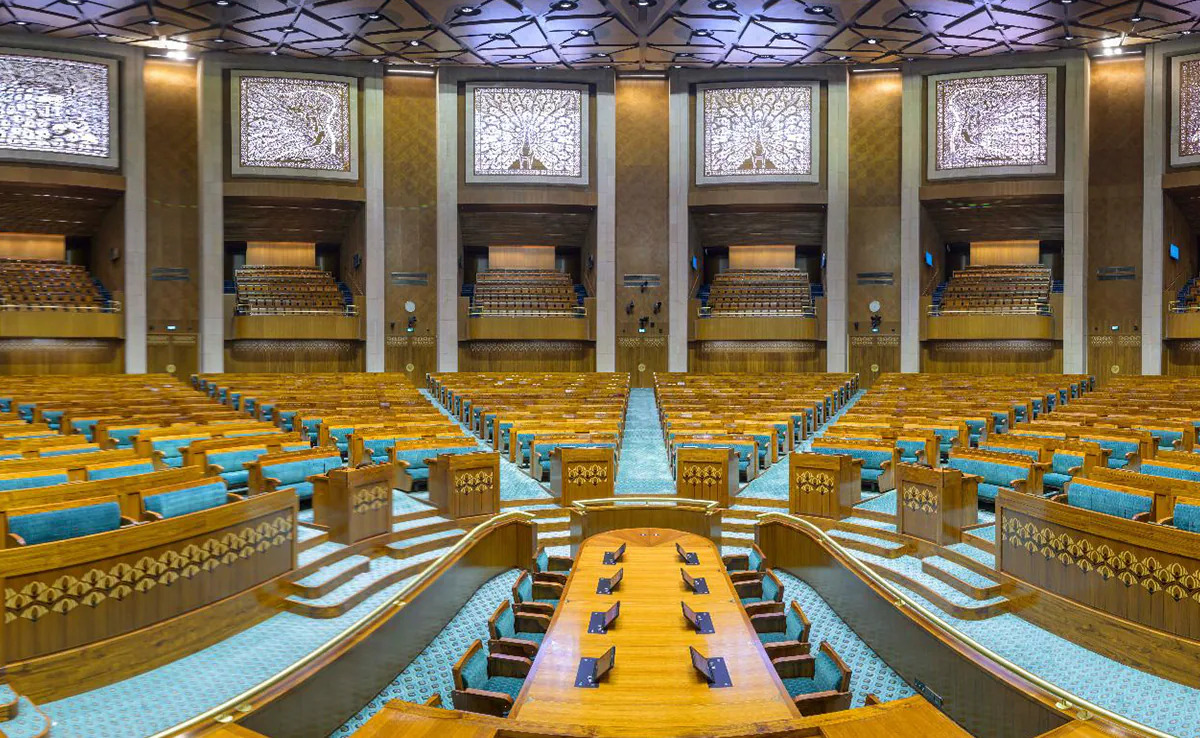
Just days before the special session of Parliament begins on 16th of April 2026, the Treasury Benches circulated all important three Bills on Tuesday that will increase the total number of seats in Lok Sabha from 543 to 850 while reserving one-third seats for women, both in Lok Sabha and State Assemblies.
The Bills are officially known as the Constitution (One Hundred and Thirty-First Amendment) Bill, 2026, the Delimitation Bill, 2026, and the Union Territories Laws (Amendment) Bill, 2026.
The main legislation is linked to the already passed Constitution (One Hundred and Sixth Amendment) Act, 2023, that had given women reservation but linked its implementation the next Census and delimitation exercise to be done on oan-India bases.
The new laws will de-freeze delimitation of total number of Lok Sabha seats based on 1971 census figures.
With this move, the BJP ruled Central Government aims to implement the new laws effective from next general elections to the Lok Sabha if they are held on scheduled time in 2029.
The amendment raises the cap on elected members from states to 815 and from Union Territories to 35, significantly increasing the size of the House and altering the arithmetic of parliamentary majorities.
Articles to be amended
The Constitution (One Hundred and Thirty-First Amendment) Bill, 2026, seeks to amend Article 81 of the Constitution that pertains to the composition of the Lok Sabha.
The amendment proposes to increase the total strength of the Lower House to 850, up from the current limit of 550.
As of now, Article 81 (2) and (3) freeze the Lok Sabha seats as per the 1971 Census and the Assembly seats as per the 2001 Census, “until the relevant figures for the first census taken after the year 2026 have been published”.
All these changes would have normally come into effect from 2031 but since the 2021 Census is delayed and has yet to be completed.
The Bill also amends the marginal heading of Article 82 from “Readjustment after each Census” to “Readjustment of constituencies”, and removes the requirement of readjusting the number of Lok Sabha seats in states after every Census.
Also, the new amendments aim to change to the Articles on state Assemblies and reservation for SCs and STs, changing the basis from the 2001 Census to “such Census” that Parliament decides by law to use.
The entire exercise will also kick-start the implementation of the women’s reservation law passed in 2023.
It may be recalled that both the Houses had passed laws to reserve one-third of seats in the Lok Sabha and state Assemblies — including within SC and ST quotas — will be reserved for women, with constituencies to be rotated after each delimitation cycle.
The reservation is valid for a period of 15 years, with the possibility of extension by Parliament.