NewsGate Press Network
On Wednesday the 15th of April 2026 , the US President Donald Trump declared that the conflict with Iran is “close to over,” indicating a possible diplomatic breakthrough even as Washington increases the pressure to control the Strait of Hormuz.
Trump indicated that stalled negotiations could restart within days in Pakistan, raising hopes of a deal before a fragile ceasefire runs out.
It may be recalled that the high-stakes talks are unfolding against the backdrop of a two-week ceasefire that began on 7th of April and that deadline is fast approaching its expiry date.
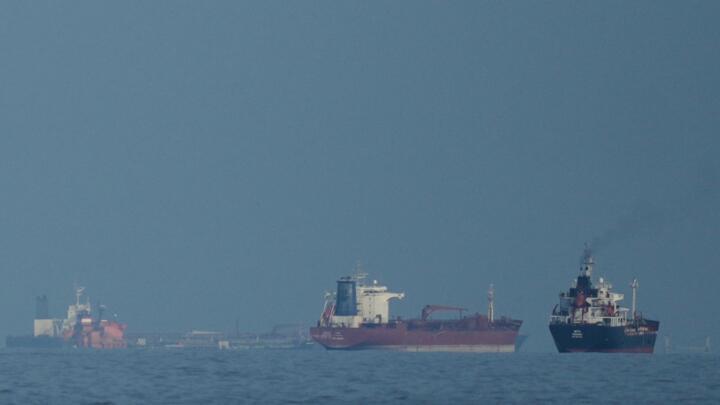
Reports emanating from the Gulf region indicate that the US has dramatically tightened its grip on the transit of vessels across the Strait.
News agency UNI reported on its website that US Central Command chief Brad Cooper said the operation had crippled Tehran’s trade lifeline in under 36 hours. “A blockade of Iranian ports has been fully implemented,” he said, adding that nearly 90 per cent of Iran’s economy depends on maritime trade, now effectively halted.
Despite the show of force, major sticking points remain. Washington is pushing for an immediate halt to Iran’s uranium enrichment and the dismantling of key nuclear facilities, while also demanding the reopening of the Strait of Hormuz. Tehran has yet to agree to a timeline, leaving the core issues unresolved after the first round of talks on April 10.
US Vice President JD Vance acknowledged deep-rooted distrust between the two sides but struck a cautiously optimistic note. “You are not going to solve that problem overnight,” he said, while adding that Iranian negotiators appeared willing to strike a deal. “I feel very good about where we are.”
Trump suggested the next round of negotiations could take place within 48 hours in Pakistan, following the collapse of weekend discussions and the imposition of the blockade, signalling a renewed diplomatic push under mounting pressure.
Global nuclear watchdog chief Rafael Grossi also weighed in, underscoring that any agreement must include “very detailed” verification mechanisms to monitor Iran’s nuclear programme, an issue likely to be central in the next phase of talks.
Meanwhile, tensions and diplomacy are rippling across the region. Israel and Lebanon held their first direct talks in decades on April 14, with both sides agreeing to continue engagement even as Israel stopped short of committing to a ceasefire in southern Lebanon—another flashpoint linked to the broader Iran-US standoff.